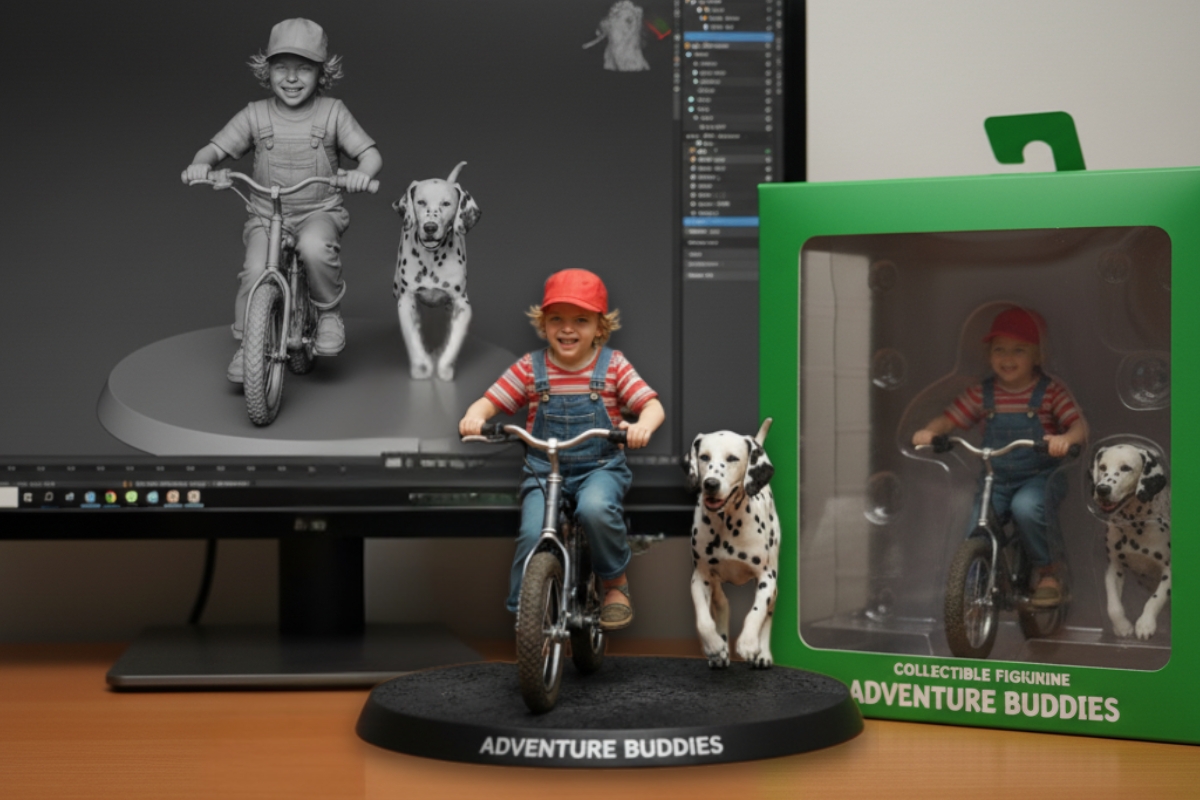
Artificial intelligence is no longer limited to powering chatbots or analyzing massive data sets. A new creative wave is emerging—moving AI miniatures. These are small-scale models, either digital or physical, enhanced with AI-driven movements and interactivity. From classrooms to hobby workshops, moving AI miniatures are attracting attention as a fun and innovative way to learn about robotics, animation, and AI applications.
This trend is fueled by curiosity and accessibility. Affordable microcontrollers, open-source AI frameworks, and 3D modeling software make it possible for anyone—from students to creators—to bring miniatures to life. With just the right tools and prompts, even a simple figurine can become an intelligent, reactive miniature robot.
Steps to Build a Moving AI Miniature
Creating an AI-powered miniature involves combining hardware and AI software. For physical models, lightweight components such as plastic frames, micro servos, and controllers like Arduino or Raspberry Pi form the base. These act as the miniature’s motor system. Sensors, such as motion detectors or microphones, can be added to allow the model to respond to external input.
The next layer is the software. Developers often use TensorFlow Lite, Edge Impulse, or cloud-based AI APIs to enable recognition and decision-making. This allows the miniature to respond to speech, gestures, or programmed commands. For digital miniatures, tools like Blender, Unity, or Unreal Engine are paired with AI animation generators. Text-to-motion models interpret prompts and convert them into lifelike actions.
The magic lies in real-time interactivity. Unlike static toys or pre-scripted animations, AI miniatures can move dynamically, adjusting their behavior depending on the prompt or user interaction.
Prompt Examples for Moving AI Miniatures
The effectiveness of a moving AI miniature depends heavily on the prompts used. Here are some examples that showcase the versatility of this trend:
-
“Make the miniature robot raise its hand and wave as if greeting.”
-
“Animate the dog miniature to wag its tail when someone claps.”
-
“Move the miniature car forward, stop, and flash its lights twice.”
-
“Create a tiny humanoid figure that performs a simple dance routine.”
-
“Animate a dragon miniature spreading its wings and breathing digital fire.”
These prompts demonstrate how text commands can generate interactive, playful results. They also highlight the potential for customization, where users can design movements tailored to their projects or entertainment needs.
Why Moving AI Miniatures Are Worth Exploring
Moving AI miniatures are more than a novelty—they represent a practical, educational, and creative bridge between AI and real-world interaction. In education, they serve as engaging teaching tools for coding, robotics, and engineering concepts. For hobbyists, they open up a playground for experimenting with AI-driven creativity. Businesses may even leverage them as prototypes for product demonstrations or storytelling tools.
Accessibility is another factor driving interest. Open-source communities provide tutorials, libraries, and shared designs, making it easier than ever to start experimenting. The result is a growing culture of creators who push the limits of AI miniatures by combining artistry with technology.
At their core, moving AI miniatures demonstrate that artificial intelligence is not only about efficiency but also about imagination. By merging robotics, animation, and prompts, they bring technology to life in a way that sparks curiosity and encourages innovation.
Source: https://malaka555.sg-host.com/